Mixed opinions on Ji Chang-wook's revealing outfit and Nana's acting... 'Scandal', only Son Ye-jin lived up to her name.

Returning after 23 years, Scandal has expanded both in scale and intensity. While the production was spectacular, the prevailing opinion is that Son Ye-jin was the only actor who managed to maintain her dignity until the end. Ji Chang-wook failed to capture the expected sensuality despite his daring exposure, and Nana, taking on her first historical drama, could not avoid controversy regarding her acting skills.The Netflix series Scandal is an eight-episode reinterpretation of the 2003 film Scandal: A Tale of Two Lovers in Joseon 23 years later. Son Ye-jin, Ji Chang-wook, and Nana play three characters entangled in desire and temptation.The visual spectacle is undeniable. From splendid hanbok and traditional houses to the meticulous portrayal of life in the Joseon Dynasty—including the processes of making paper, cultivating mulberry trees, and weaving silk—it is certainly eye-catching for viewers who appreciate the unique mise-en-scène of historical dramas. The problem, however, is that this visual richness does not translate into tension in the plot.As expected for a rating of R (for mature audiences), the level of explicitness has also been significantly raised. The nudity is bold, and there are multiple bed scenes. However, some scenes merely serve to display provocative exposure rather than revealing the characters desires or changes in their relationships. As the scenes become longer and more explicit, the sensuality and tension that Scandal should have aimed for actually fade.In particular, regarding Ji Chang-wooks nude scenes, there were online reactions stating that the overly explicit direction hindered immersion. While it may have been a difficult decision for the actor, the exposure ultimately failed to enhance the appeal of the character Jo Won.The chemistry between Son Ye-jin and Ji Chang-wook is also not as intense as expected. Son Ye-jin skillfully brought to life the composure and slyness of Lady Jo, who is honest about her desires, while Ji Chang-wook clearly portrayed the insecurities of the Jo Won character. Many observers noted that while their characters are distinct when they are alone, the tension dissipates more easily than anticipated when the two are together.Nana, who took on her first historical drama, leaves an even greater sense of disappointment. To portray Hee-yeons withdrawn personality, she repeatedly adopts a posture of hunching her shoulders and bowing her head; however, as these similar expressions persist, the characters emotional changes are not clearly visible. Her body language and facial expressions do not change significantly whether she is anxious, tormented by guilt, or feeling unsettled.This weakness is even more apparent in scenes where she faces Son Ye-jin and Ji Chang-wook. While the two actors exchange tension through dialogue and eye contact, Hee-yeon gives the impression of being relatively stiff. It is regrettable that the range of her emotions is not fully conveyed, even though she is a character whose transformation is crucial as the drama progresses.However, as the series nears its end, Nanas face and atmosphere begin to show their strengths little by little. In scenes where dialogue is reduced and the focus is driven by facial expressions and atmosphere, she appears more natural than in earlier episodes. Nevertheless, it is difficult to completely erase the shortcomings accumulated earlier with just a few scenes in the latter half. One wonders if it would have been better to utilize Nanas image and strengths more actively from the beginning.With the series extended to eight episodes, there is more story to tell compared to the original work. The characters circumstances have become more detailed, and the enjoyment of looking into the lifestyle of the Joseon Dynasty has been enhanced. However, as the story has become longer, the pacing feels sluggish in many places. While the characters and narrative have become richer, the taut tension and dangerous allure of the original work have actually faded.Amidst this, Son Ye-jin is the most stable. Even without explicitly explaining Lady Jos desires, her gaze and tone alone allow the audience to read her inner thoughts. She maintains a relaxed demeanor even when testing others or steering the situation to her will. Her facial expressions, shifting from slyness to a sudden chill, are also natural. She has fully lived up to the expectations placed upon her name.That is precisely why it is all the more regrettable. Son Ye-jin was fully prepared, but the characters surrounding her, the relationships, and the direction failed to support her equally. While one might have expected a scandal where the desires of the three characters clashed intensely, it feels as though only Son Ye-jins Lady Jo survived.

Returning after 23 years, 'Scandal' has expanded both in scale and intensity. While the production was spectacular, the prevailing opinion is that Son Ye-jin was the only actor who managed to maintain her dignity until the end. Ji Chang-wook failed to capture the expected sensuality despite his daring exposure, and Nana, taking on her first historical drama, could not avoid controversy regarding her acting skills.

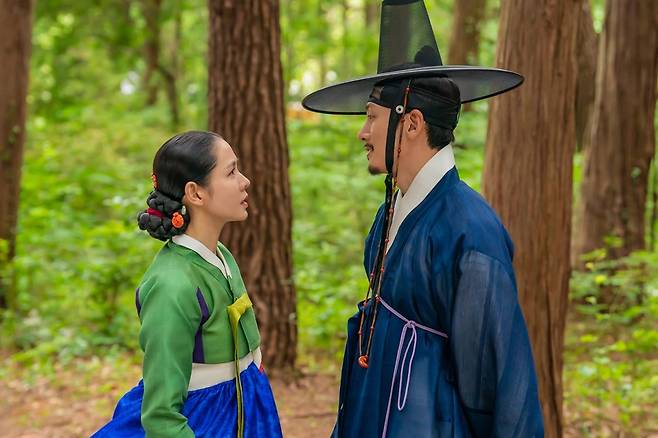
The Netflix series 'Scandal' is an eight-episode reinterpretation of the 2003 film 'Scandal: A Tale of Two Lovers in Joseon' 23 years later. Son Ye-jin, Ji Chang-wook, and Nana play three characters entangled in desire and temptation.

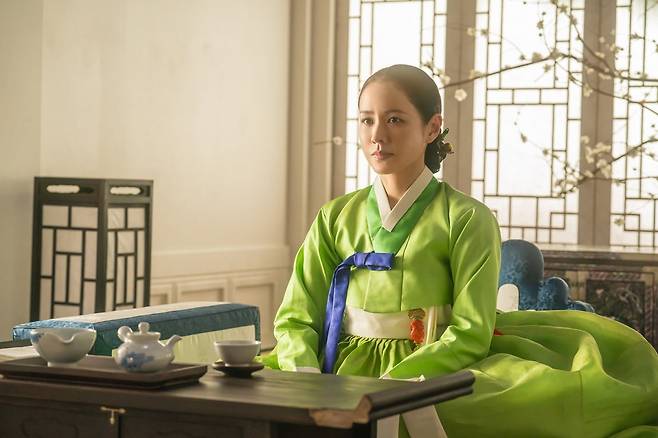
The visual spectacle is undeniable. From splendid hanbok and traditional houses to the meticulous portrayal of life in the Joseon Dynasty—including the processes of making paper, cultivating mulberry trees, and weaving silk—it is certainly eye-catching for viewers who appreciate the unique mise-en-scène of historical dramas. The problem, however, is that this visual richness does not translate into tension in the plot.

As expected for a rating of R (for mature audiences), the level of explicitness has also been significantly raised. The nudity is bold, and there are multiple bed scenes. However, some scenes merely serve to display provocative exposure rather than revealing the characters' desires or changes in their relationships. As the scenes become longer and more explicit, the sensuality and tension that "Scandal" should have aimed for actually fade.

In particular, regarding Ji Chang-wook's nude scenes, there were online reactions stating that the overly explicit direction hindered immersion. While it may have been a difficult decision for the actor, the exposure ultimately failed to enhance the appeal of the character Jo Won.

The chemistry between Son Ye-jin and Ji Chang-wook is also not as intense as expected. Son Ye-jin skillfully brought to life the composure and slyness of Lady Jo, who is honest about her desires, while Ji Chang-wook clearly portrayed the insecurities of the Jo Won character. Many observers noted that while their characters are distinct when they are alone, the tension dissipates more easily than anticipated when the two are together.

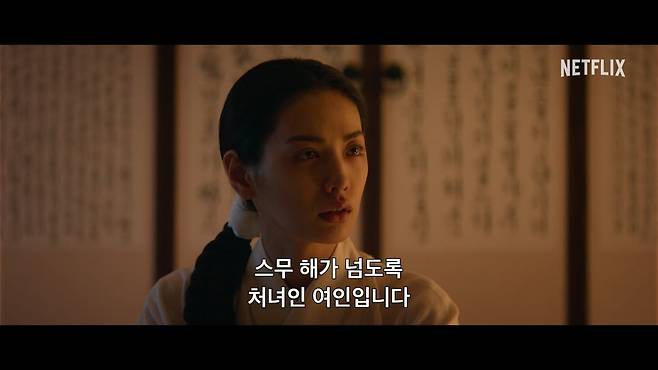
Nana, who took on her first historical drama, leaves an even greater sense of disappointment. To portray Hee-yeon's withdrawn personality, she repeatedly adopts a posture of hunching her shoulders and bowing her head; however, as these similar expressions persist, the character's emotional changes are not clearly visible. Her body language and facial expressions do not change significantly whether she is anxious, tormented by guilt, or feeling unsettled.

This weakness is even more apparent in scenes where she faces Son Ye-jin and Ji Chang-wook. While the two actors exchange tension through dialogue and eye contact, Hee-yeon gives the impression of being relatively stiff. It is regrettable that the range of her emotions is not fully conveyed, even though she is a character whose transformation is crucial as the drama progresses.

However, as the series nears its end, Nana's face and atmosphere begin to show their strengths little by little. In scenes where dialogue is reduced and the focus is driven by facial expressions and atmosphere, she appears more natural than in earlier episodes. Nevertheless, it is difficult to completely erase the shortcomings accumulated earlier with just a few scenes in the latter half. One wonders if it would have been better to utilize Nana's image and strengths more actively from the beginning.

With the series extended to eight episodes, there is more story to tell compared to the original work. The characters' circumstances have become more detailed, and the enjoyment of looking into the lifestyle of the Joseon Dynasty has been enhanced. However, as the story has become longer, the pacing feels sluggish in many places. While the characters and narrative have become richer, the taut tension and dangerous allure of the original work have actually faded.

Amidst this, Son Ye-jin is the most stable. Even without explicitly explaining Lady Jo's desires, her gaze and tone alone allow the audience to read her inner thoughts. She maintains a relaxed demeanor even when testing others or steering the situation to her will. Her facial expressions, shifting from slyness to a sudden chill, are also natural. She has fully lived up to the expectations placed upon her name.

That is precisely why it is all the more regrettable. Son Ye-jin was fully prepared, but the characters surrounding her, the relationships, and the direction failed to support her equally. While one might have expected a "scandal" where the desires of the three characters clashed intensely, it feels as though only Son Ye-jin's Lady Jo survived.